

Frequently Asked Questions About OCD Therapy in Los Angeles
Frequently Asked Questions About OCD therapy in Los Angeles
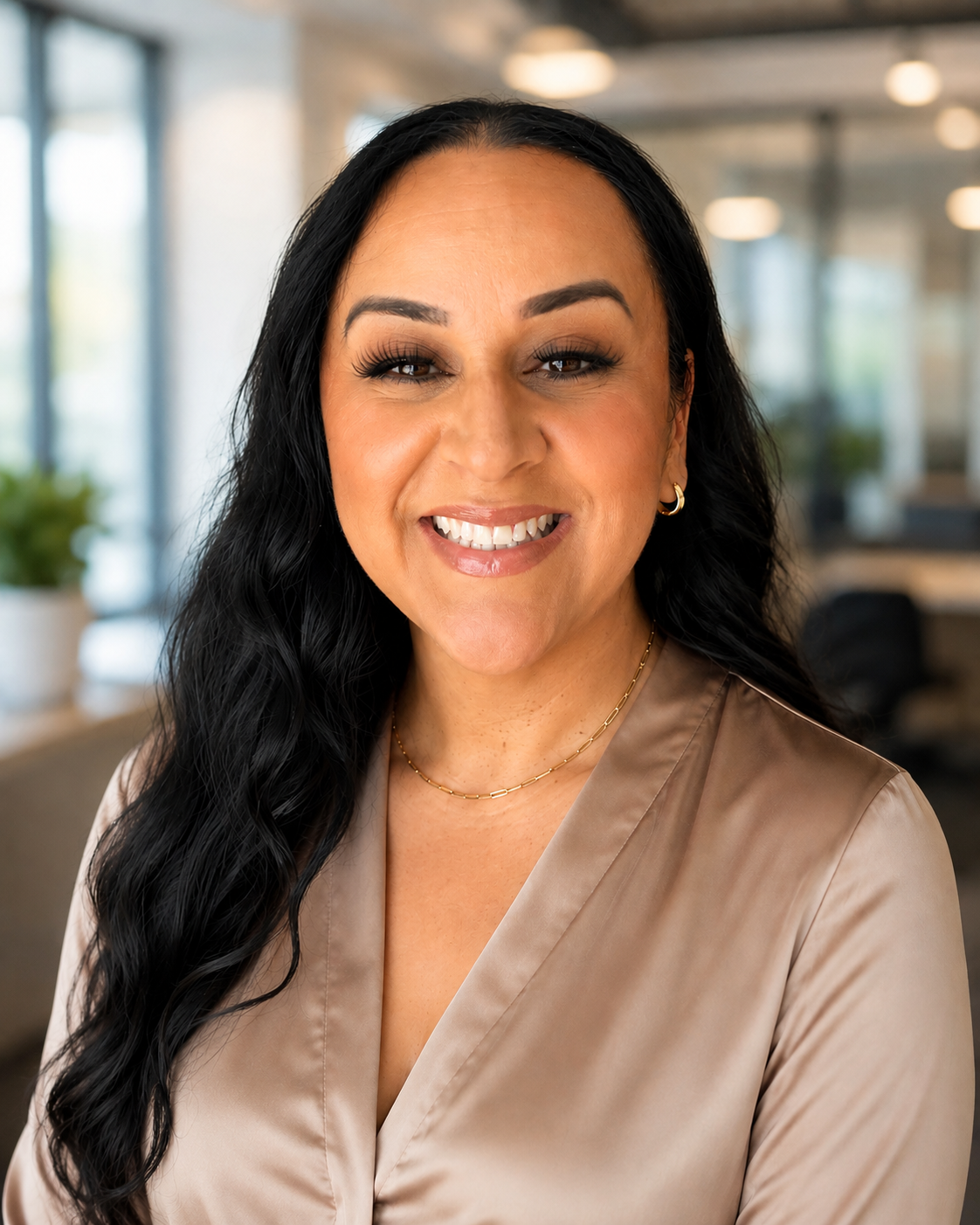
Who knew when you started googling find a therapist near me that you would’ve find so many options, and be left with SO many questions? I am here to help!
Do I have to be a Christian to work with you?
Not at all. While my approach is informed by my Christian faith and I warmly welcome clients who share that background, you do not need to be a Christian to benefit from this work. Many of my clients do not identify as Christian, and I meet each person exactly where they are. My goal is to help you find relief from OCD and anxiety and to experience more joy in your daily life. What matters is that you feel safe, respected, and understood, and that is something I am committed to creating for every client I work with.
How do I know if what I'm experiencing is OCD and not just regular anxiety?
A lot of people who are living with OCD have been told for years that they just have anxiety, or that they are a worrier, overthinker, or that they are a perfectionist. While anxiety and OCD can overlap, OCD has a distinct pattern: an unwanted thought or fear appears, it causes intense distress, and then you do something, checking, reassurance seeking, cleaning, rumination, avoiding, to make the feeling go away. The relief is temporary, and the cycle starts again. If you recognize that loop in your own life, OCD therapy in Los Angeles may be exactly the right fit for you. A thorough intake conversation can help us get clear on what you are experiencing and what approach will serve you best.
I have tried deep breathing, mindfulness, and prayer and nothing is working. Can therapy actually help?
Yes, and this is one of the most important things to understand about OCD. The strategies that help with general anxiety often do not work for OCD, and sometimes they make things worse. That is not a reflection of your effort or your faith. It means you need an approach that is specifically designed for how OCD operates. Evidence-based OCD therapy uses techniques that work differently from standard stress-management tools, and many clients find relief they had stopped believing was possible.
I am a person of faith and I have been told to just trust God and stop worrying. Why can't I do that?
This question carries so much pain, and you are not alone in asking it. OCD is not a spiritual problem, and it is not caused by weak faith. Many deeply faithful people live with OCD, and the gap between what they believe and what they cannot seem to stop is one of the most isolating parts of the experience. Therapy that honors your faith can actually help you reconnect with Jesus in a way that feels grounding rather than shaming. Helping you to live through the spirit of love rather than fear. Your belief in God and your need for clinical support are not in conflict. They can work together.
I am a high-functioning professional. I am worried that starting therapy will affect how people see me or how I perform at work.
Many of the people I work with are high performers who have managed to keep their OCD largely invisible at work. Starting therapy does not mean your performance will suffer. For most clients, it means the opposite. As the loops become less consuming, focus and energy become more available. Therapy is confidential, and your employer will not know you are in treatment unless you choose to share that.
I am Latina and I am not sure therapy is something my family or community would understand. Will you get where I am coming from?
This matters, and I want you to feel seen here. I work with many Latina women, including first-generation college students and oldest daughters who carry a particular kind of responsibility and expectation. I know about this because Yo tambien soy Latina, first generation and eldest so I get it. The experience of managing mental health while navigating family loyalty, cultural expectations, and community belonging is real and specific. You will not need to spend your sessions translating yourself. We can get to work on what you actually came for.
What does OCD therapy in Los Angeles actually involve? What will we do in sessions?
OCD therapy is structured and active. We will work to understand your specific patterns, what triggers the loops, what your vulnerabilities are, what the fears underneath them are, and what you have been doing now to try to manage them. From there, we use evidence-based techniques using Exposure and Response Prevention Therapy, that help you gradually face fears beginning with imaginal exposure, in a supported way, so that over time the fear loses its power. You will turn fear into resilience and learn to be ok with uncertainty. Sessions are collaborative and paced to what feels workable for you. Nothing is forced, and you are always part of the decisions about how we move forward.
How long does OCD therapy take?
This varies depending on how long OCD has been present, how many areas of life it affects, and how you respond to treatment. Some clients notice meaningful shifts within a few months. Others find that longer-term support allows for deeper and more lasting change. We will talk about this during our initial consultation so you have a realistic sense of what to expect for your specific situation.
I have been hiding this for so long. What if I finally talk about it and it is worse than I thought?
This fear is incredibly common, and it makes sense. Saying out loud what has been going on in your head for years can feel terrifying. What most clients find, though, is that finally being heard without judgment is one of the most relieving experiences of the entire process. You have been carrying this alone for a long time. You do not have to keep doing that. Plus saying it out loud is the beginning of that fear losing its power over you!
Do you work with grief and loss as well as OCD and anxiety?
Yes. Loss can complicate OCD and anxiety in significant ways, and grief deserves its own care and attention. If you are navigating loss alongside OCD or anxiety, we can hold all of it together. You do not need to separate out your experiences to get support for them.
What is the first step to working with you?
The first step is simply reaching out here. We will start with a conversation to learn about what you are experiencing and make sure we are a good fit. You do not need to have it all figured out before you reach out. Coming as you are is enough.
Is OCD therapy in Los Angeles available online or only in person?
I offer online sessions.
Please visit reach out here to schedule a consultation with me so we can talk about what that would look like, including telehealth options that may allow you to access support from anywhere in California.
What if I am not sure I am ready for therapy?
Readiness is not a requirement. Most people who begin therapy are not completely sure they are ready. What matters is that some part of you is asking whether things could be different. That part got you here, and that is enough to take the next step. Reach out here whenever you are ready to have that first conversation.
I know it can feel like a big step to call a counselor, but I’ll make it easy. We’ll spend 15-minutes on the phone and I’ll let you know how or if I can help. If I am not the right person, I’ll do my best to get you to the right person.
Contact me here to schedule your free 15-minute phone consultation for Grief Therapy, Anxiety or OCD Counseling in Los Angeles.